


Defense Technology: Why Open Architectures Lower the Cost of Modernizing
Defense Technology: Why Open Architectures Lower the Cost of Modernizing
Defense Technology changes fastest when it is built on open architectures and commercial parts, so a fielded system can keep improving without a full redesign.
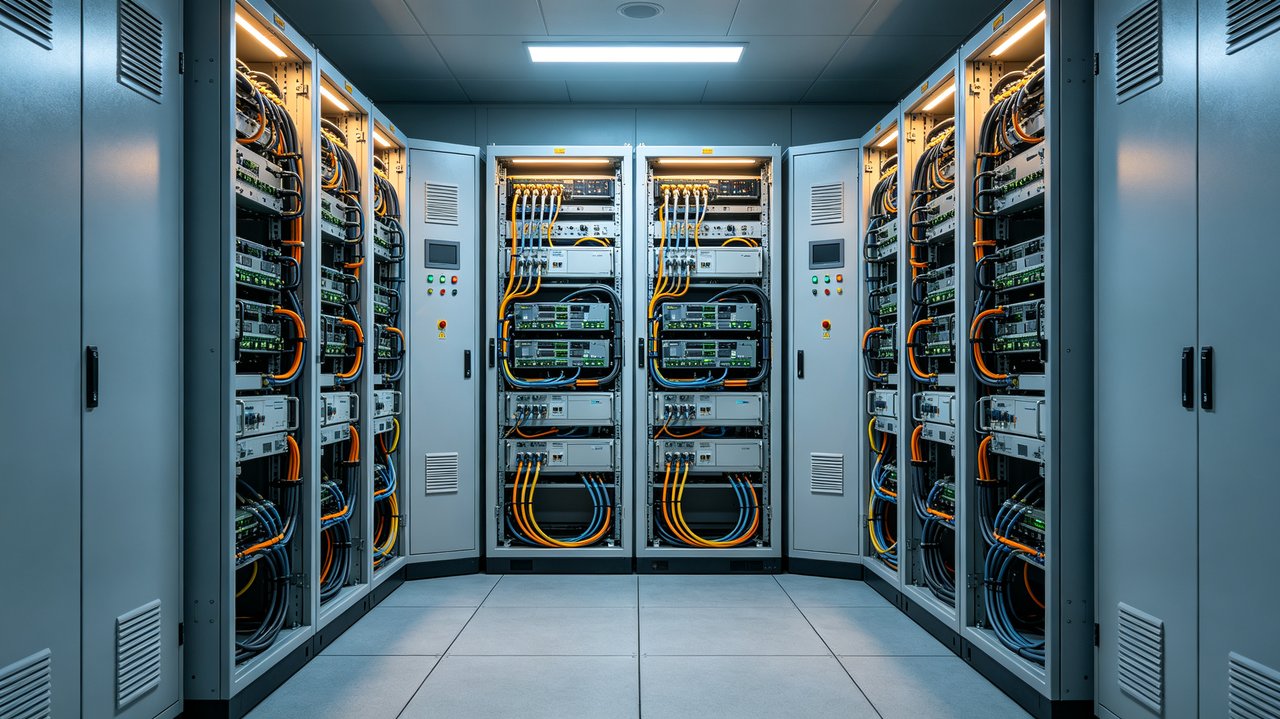
The most expensive part of Defense Technology is often not the first unit, it is the cost of change over a ten-year life. Programs that lock themselves into proprietary interfaces pay for every upgrade. Defense Technology built on open architectures lets a radar, a communication module, or an optical tracker be swapped without rewriting the whole platform.
Commercial off-the-shelf (COTS) parts are the second lever. When a Defense Technology program reuses proven fiber optic modules and standard processors, supply chains stay open and spare parts stay available. The result is faster development and lower lifetime cost.
Modularity is a procurement decision
CloudWing designs Defense Technology products around modular interfaces, including a shared command layer, common power and data standards, and documented APIs. That means a site can start with a detection layer and add counter-UAS effectors later without starting over.
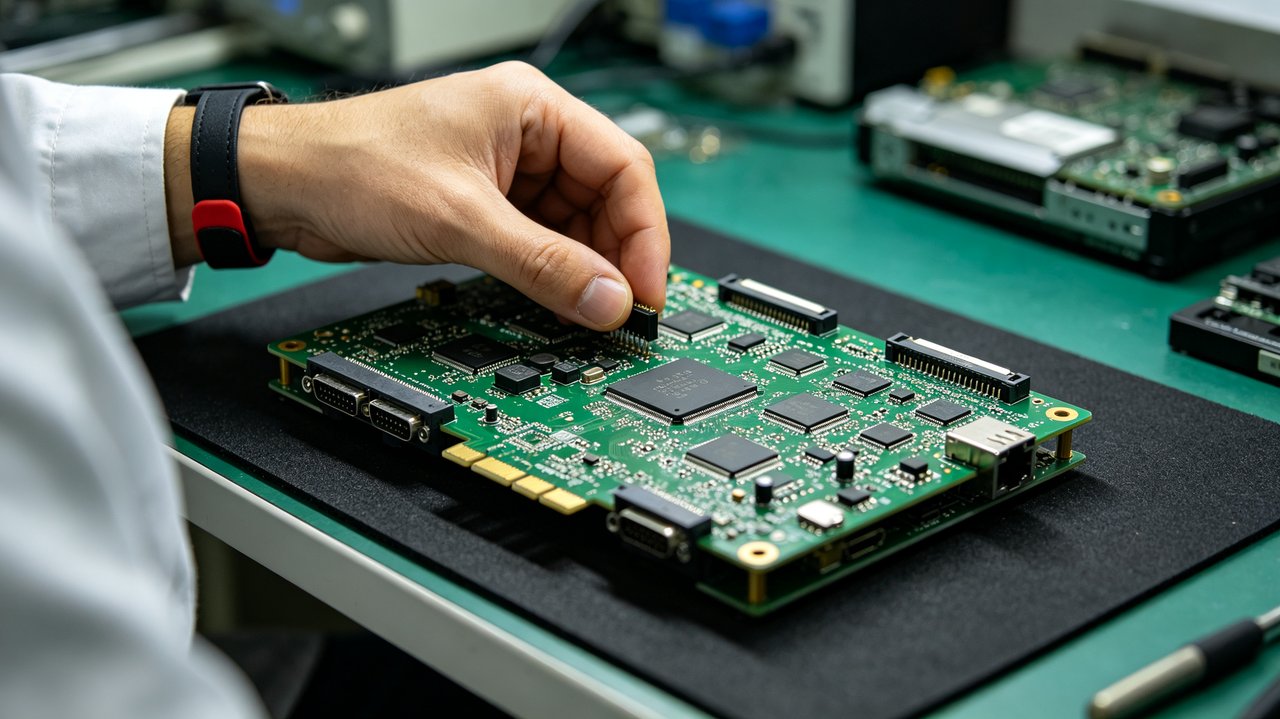
- Open architectures to avoid vendor lock-in
- COTS components for shorter lead times
- Modular interfaces that allow phased capability growth
- Documented APIs for integration into a common operating picture
- Field-upgradeable firmware and hardware modules
When reviewing Defense Technology options, ask about the interface, not just the spec. An open, modular design is the cheapest insurance against a system that becomes obsolete before it is fully fielded.