


Engineering the Fiber Optic Spool: The Unsung Hero Behind Fiber Optic Drones
Engineering the Fiber Optic Spool: The Unsung Hero Behind Fiber Optic Drones
Smooth payout, controlled tension, and clean retrieval decide whether a Fiber Optic Drone flight feels effortless or fragile. CloudWing details the mechanics behind a dependable Fiber Optic Spool.
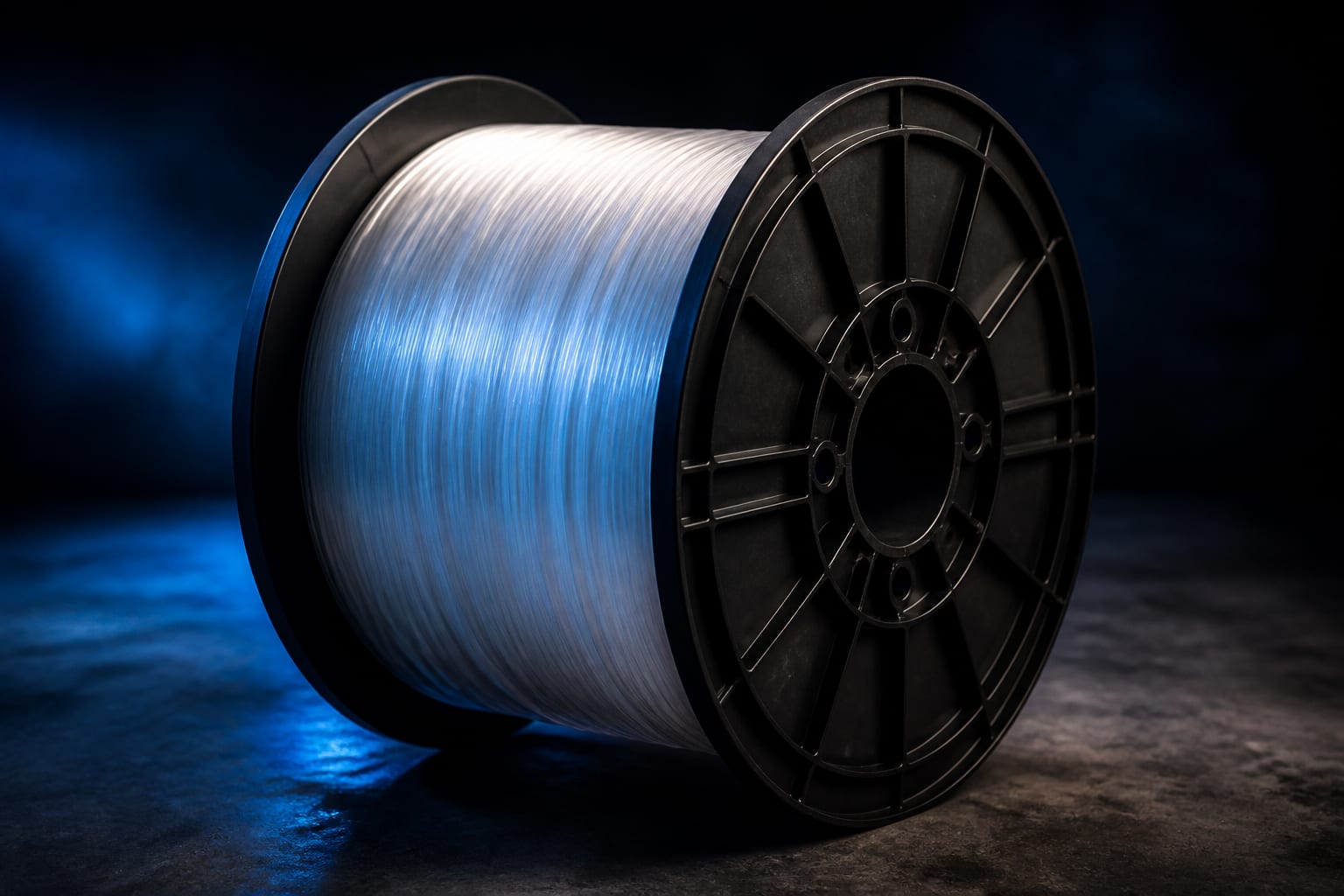
Ask operators what fails first on a tethered flight and many will point not to the airframe, but to the spool. A Fiber Optic Spool must release fiber evenly, avoid sudden snatch loads, protect bend radius, and survive repeated field use. For CloudWing Defense, spool engineering is treated as a first-class product discipline supporting every Fiber Optic Drone concept.
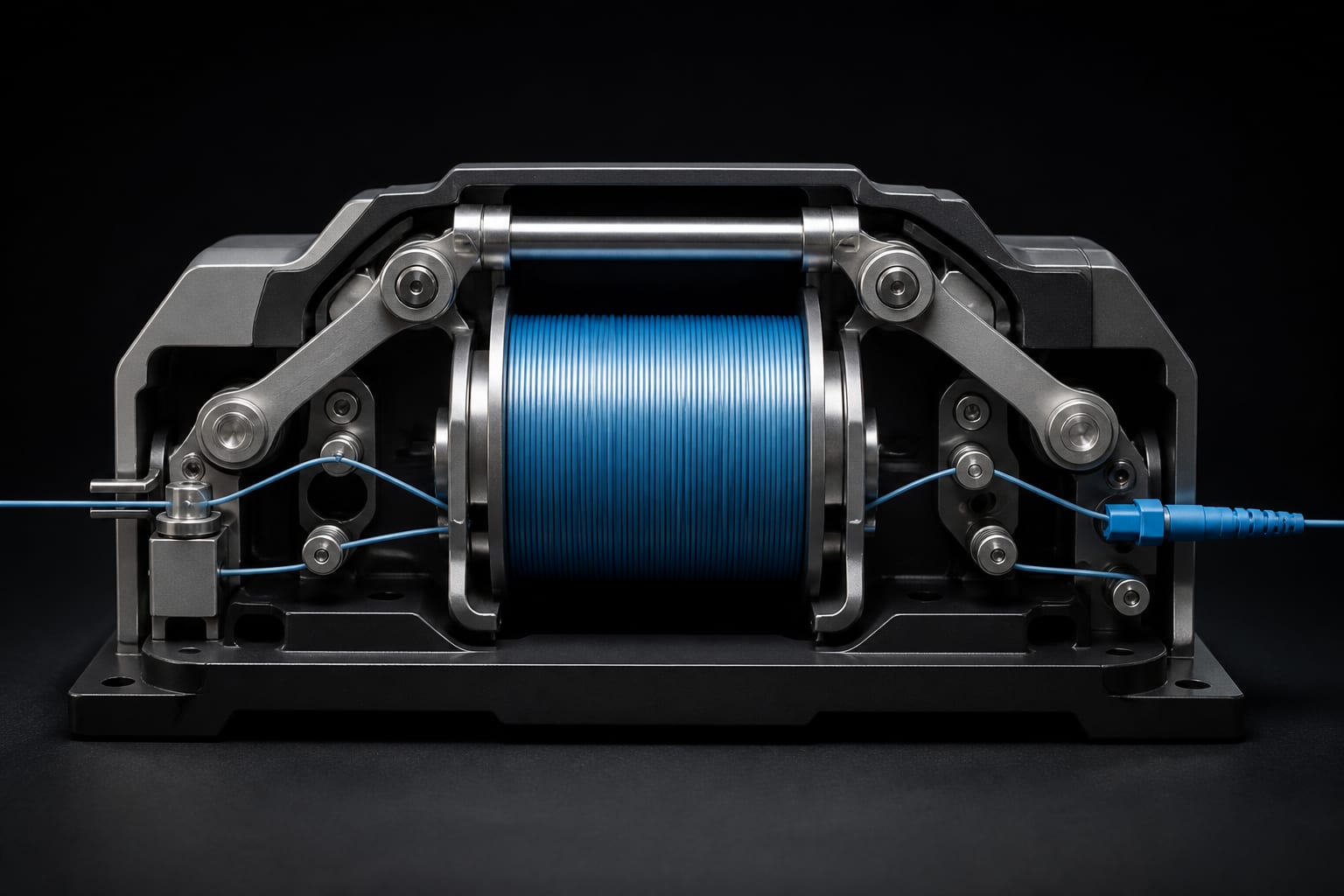
Effective spool design balances capacity against weight and drag. Too little fiber limits mission geometry; too much adds bulk and increases the risk of tangles if payout guides are poorly designed. Guides, flanges, and braking behavior are therefore tuned together, then validated across temperature and handling conditions that resemble real deployments rather than perfect lab benches.
Because the optical path ultimately lands in a transceiver or communication interface, spool teams collaborate with CloudWing’s Fiber Optic Module Manufacturer workflows. End-face cleanliness, strain relief, and connector standards are shared concerns. A pristine air vehicle cannot compensate for a contaminated or overstressed tether path.
Spool performance factors CloudWing validates
- Payout smoothness across temperature and humidity ranges
- Fiber surface protection during high-speed unreeling
- Retrieval options after mission completion or abort
- Compatibility with ground stations and optical interface modules
- Field-service access for cleaning, inspection, and fiber replacement
From component to kit
“People romanticize the drone,” one engineer joked. “We romanticize the drum that keeps the fiber honest.” That mindset shows up in kit packaging: spool, ground optics, protective accessories, and quick-start procedures are designed to travel together so training units can rehearse fiber-optic UAS tactics without improvising critical interfaces on day one.
CloudWing also advises customers to treat fiber as a consumable with a disciplined inspection cycle. Micro-bends, scrapes, and dirty connectors accumulate with use. A scheduled replacement policy is cheaper than a lost mission during a live security task.
As Fiber Optic Drone adoption expands, the company expects buyers to ask sharper questions about spool mechanics—not only flight time and camera resolution. Those questions are welcome. They are the mark of an operator who understands where tethered systems actually win or lose.