


Phased Array Radar Upgrades Push Low-Altitude Early Warning Further
Phased Array Radar Upgrades Push Low-Altitude Early Warning Further
Electronically steered beams, faster revisit rates, and smarter clutter rejection are helping CloudWing Phased Array Radar solutions track low-slow-small threats more confidently.
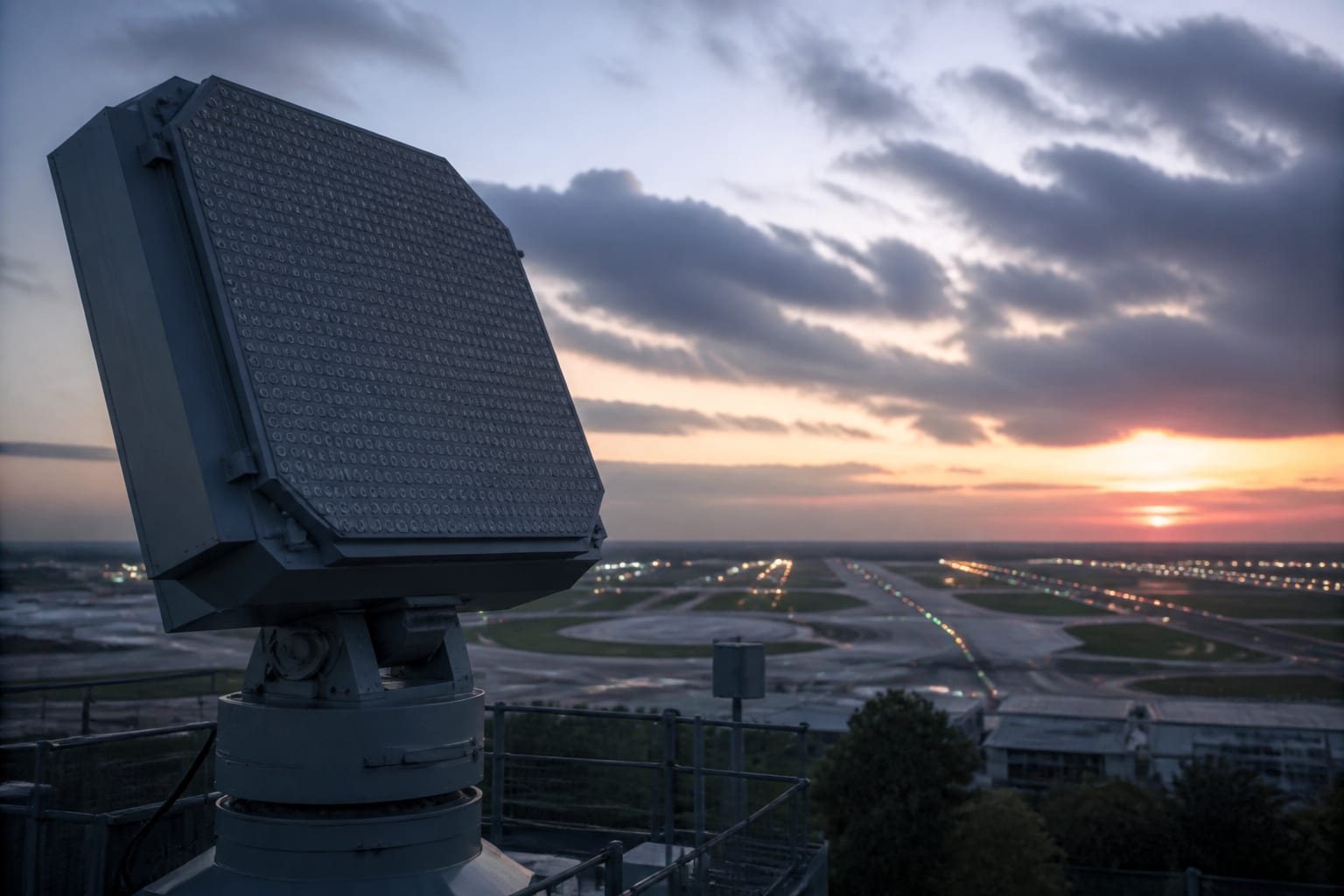
Low-altitude airspace is crowded with birds, hobby drones, commercial UAVs, and occasional unauthorized aircraft. Protecting airports, plants, and city venues therefore depends on a Phased Array Radar that can revisit sectors quickly and maintain tracks through clutter. CloudWing Defense continues refining this sensing layer as the front end of broader security architectures.
Electronically steered arrays adjust beams without waiting for mechanical slewing. That architecture supports simultaneous search and track behaviors useful for Integrated Counter-UAS System cueing—handing precise coordinates to EO cameras or soft-kill effectors. Faster revisit rates give operators earlier warning and more stable track histories when targets maneuver.
Clutter remains the hard problem. Urban edges, sea surface returns, and bird activity can generate false alarms that exhaust operator attention. CloudWing’s radar engineering therefore pairs waveform and processing improvements with clear handoff rules to electro-optical confirmation, so the human decision-maker receives fewer but better alerts.
Operational advantages of phased-array architectures
- Higher update rates on priority sectors such as runways or plant fences
- Flexible coverage shaping for harbors, campuses, and border approaches
- Improved discrimination support when fused with electro-optical confirmation
- Scalable multi-node networking over fiber backhaul
- Better readiness for temporary surge coverage during events
Connecting radar to the rest of the system
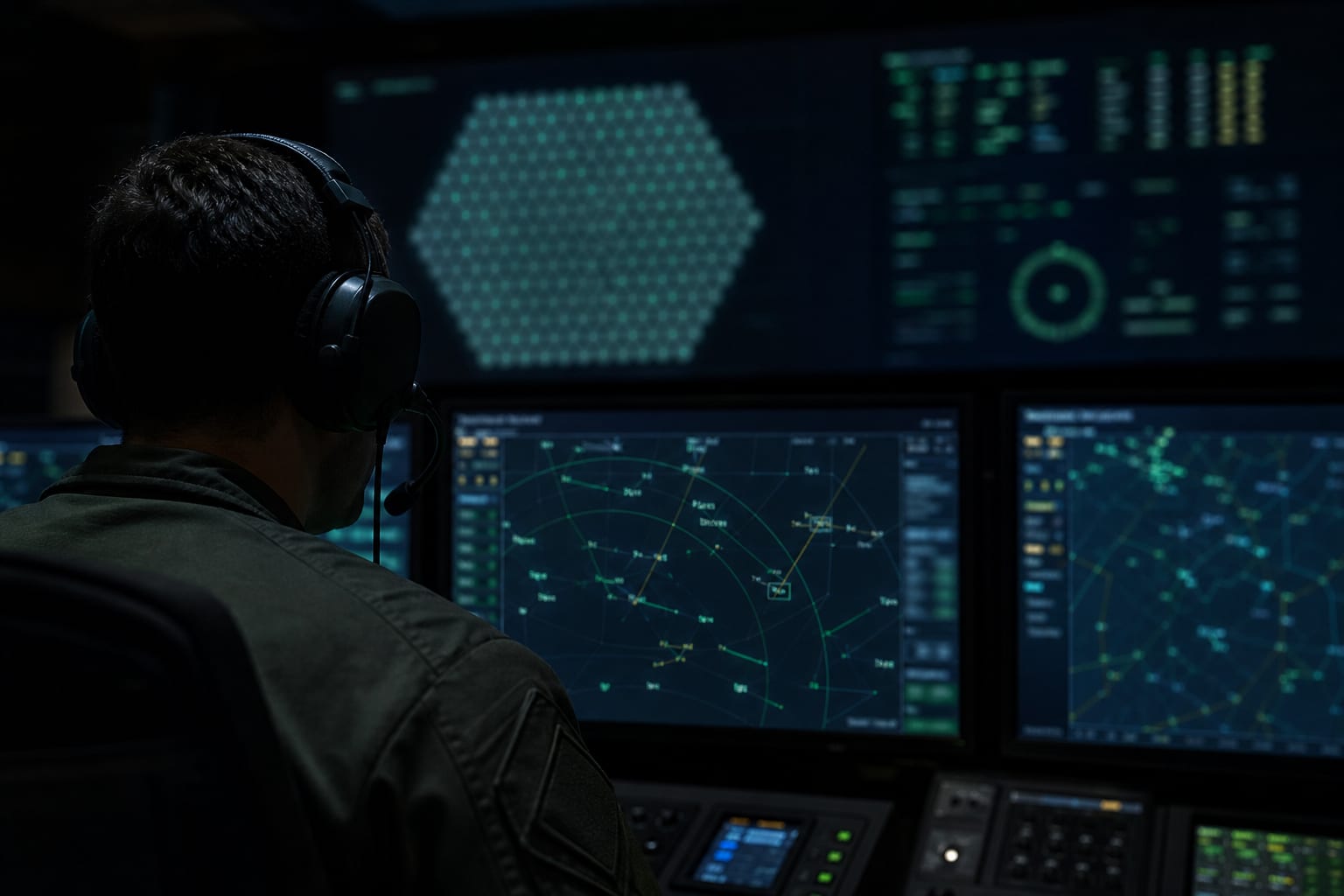
Radar nodes are commonly paired with CloudWing’s Optical Fiber Communication Module links so raw detections and track messages reach the operations room without copper-induced EMI headaches. In multi-site projects, fiber also simplifies longer tower-to-shelter distances and supports later expansion when additional sensors are added.
“Radar is the early warning heartbeat,” noted a CloudWing systems engineer. “But the heartbeat only helps if the rest of the body—optics, jamming, and C2—receives the pulse on time. That is why we design Phased Array Radar deployments as part of an integrated workflow, not as an isolated instrument.”
Upcoming demonstrations will highlight multi-target tracking and automatic handoff workflows for airport and industrial perimeter customers evaluating full-stack counter-UAS architectures. Customers can request scenario-based proposals that map coverage, false-alarm strategy, and operator training before hardware is finalized.