




Fiber Optic Drone Missions: Controllable ISR When the RF Spectrum Is Contested
Fiber Optic Drone Missions: Controllable ISR When the RF Spectrum Is Contested
By replacing vulnerable radio control links with a physical fiber tether, Fiber Optic Drone platforms offer a distinctive option for close-in reconnaissance and inspection.
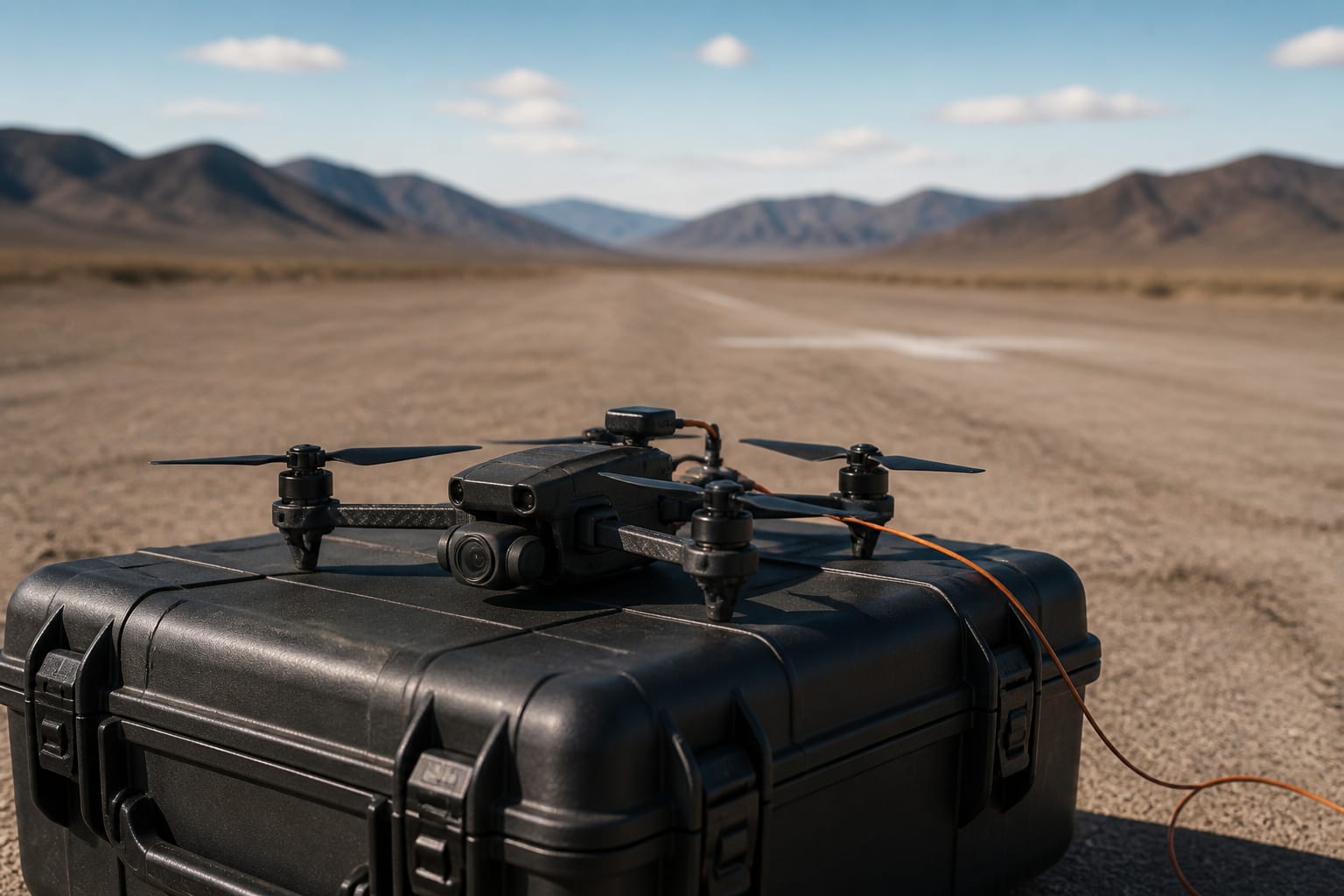
In contested electromagnetic environments, conventional drone links can be jammed, spoofed, or simply saturated. A Fiber Optic Drone takes a different path: command and video travel over a continuous optical fiber paid out from a ground Fiber Optic Spool, dramatically reducing dependence on open RF control channels while preserving high-bandwidth imagery for operators.
That design choice reshapes mission planning. Operators gain a hard-to-intercept control path and stable video, while accepting the geometric constraints of a physical tether. For inspection of pipelines, perimeters, or industrial assets—and for short-range tactical ISR—those trade-offs can be highly attractive. The platform is less about long-range free flight and more about dependable presence in a defined volume of airspace.
CloudWing’s ecosystem thinking connects the air vehicle, spool mechanics, and ground optical interface. The same discipline used for Fiber Optic Module products—margin, ruggedization, and maintainability—applies to the tether path, because a single kink or contaminated connector can end a mission as effectively as a lost radio link.
Where fiber-optic drones excel
- Sites with heavy RF congestion or intentional jamming risk
- Missions needing clean, low-latency video for operator judgment
- Operations near sensitive facilities that restrict open radio emissions
- Training and rehearsal flights that prioritize link predictability
- Close-in inspection tasks where a physical tether is acceptable
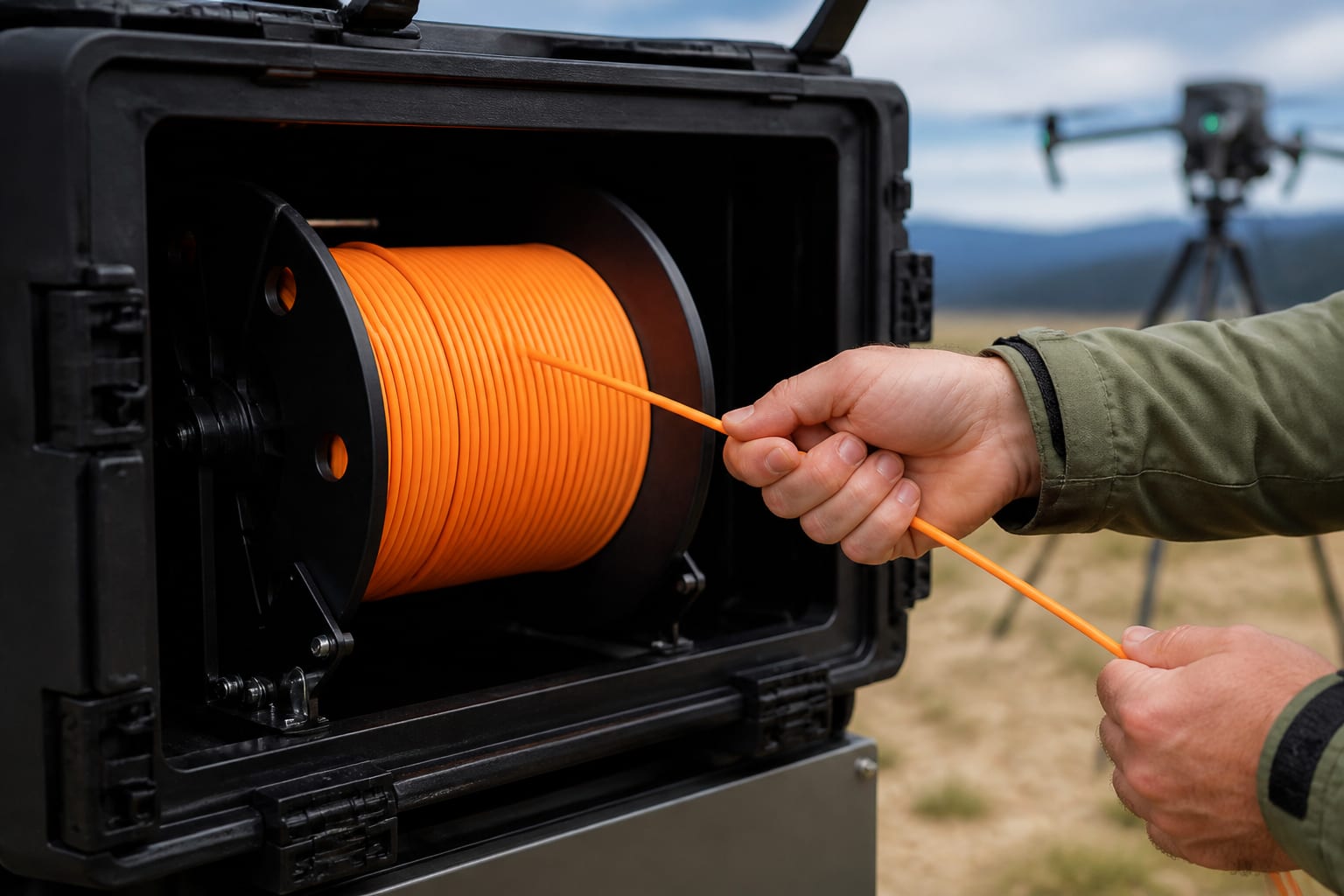
Doctrine and training matter as much as hardware
Customers evaluating fiber-optic drones are encouraged to review spool capacity, fiber bend management, emergency procedures, and recovery workflows. Technology alone is not enough; doctrine and training determine whether the advantage becomes operational. CloudWing therefore packages hardware recommendations with operator checklists covering pre-flight fiber inspection, payout monitoring, and post-mission retrieval.
When paired with ground networks built on Optical Fiber Communication Modules, video from a Fiber Optic Drone can be relayed into a larger command picture that also includes radar tracks. That combination is especially useful for temporary protection details that need both wide-area warning and close visual confirmation without relying entirely on congested radio spectrum.
As more organizations explore contested-spectrum tactics, CloudWing expects Fiber Optic Drone demand to grow alongside conventional UAV fleets—not as a replacement for all missions, but as a specialized tool when RF vulnerability is the dominant risk.