

Anatomy of an Integrated Counter-UAS System: From Detection to Decision
Anatomy of an Integrated Counter-UAS System: From Detection to Decision
Detection, tracking, identification, and response only work when sensors and effectors share one operational picture. CloudWing unpacks its Integrated Counter-UAS System architecture.
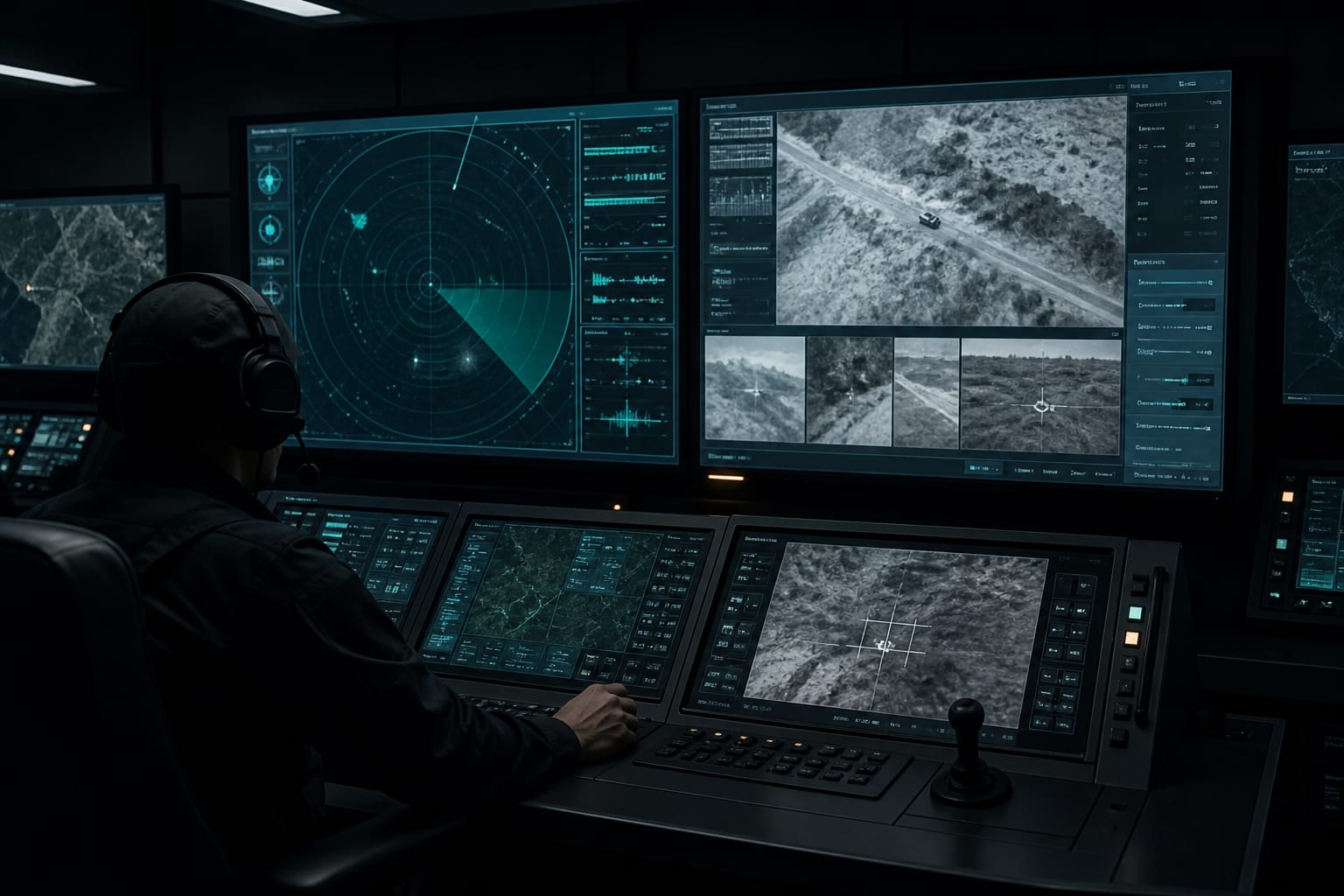
An Integrated Counter-UAS System is not a single box—it is a coordinated chain. CloudWing Defense builds that chain around layered sensing (often led by Phased Array Radar and electro-optics), a fusion and alerting layer, and selectable response options guided by local rules of engagement. The value appears only when those layers share timing, identity, and operator workflow.
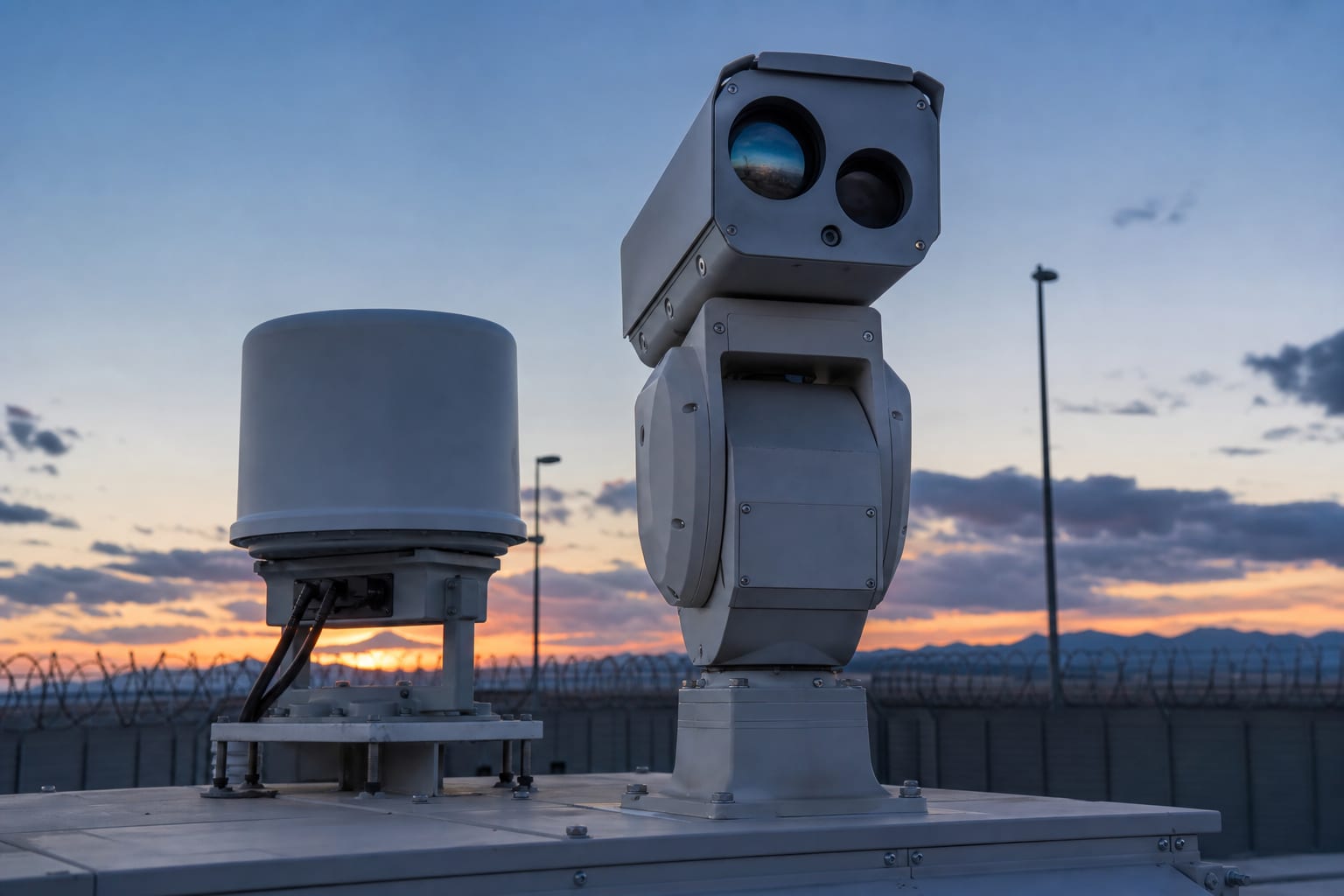
Integration is where many projects succeed or stall. Separate vendors may each deliver strong components, yet operators still face fragmented screens and delayed handoffs. CloudWing’s approach emphasizes a unified workflow: radar establishes early tracks, EO confirms attributes, and operators receive actionable alerts with enough context to decide quickly. That sequence sounds obvious, but it requires deliberate interface design and rehearsed procedures.
Communications reliability is non-negotiable. Fiber backhaul using Optical Fiber Communication Module hardware appears in many CloudWing site designs, especially near high-power RF equipment. A counter-UAS architecture that loses connectivity under EMI stress is an incomplete architecture.
Core layers in CloudWing’s reference architecture
- Sense — phased-array search/track and multi-sensor confirmation
- Connect — fiber backhaul and resilient module interfaces
- Decide — fused tracks, threat scoring, and operator workflows
- Act — soft-kill or directed response options per policy
- Sustain — training, spares, diagnostics, and software updates
From bill of materials to operable capability
For governments and critical-infrastructure operators, CloudWing offers survey-based proposals that map coverage, false-alarm strategy, and training plans—not only a bill of materials. Shadow-mode commissioning is recommended: run sensing and alerting first, measure operator workload, then enable response rehearsals. This reduces the risk of handing teams a complex system before they trust it.
The company also stresses policy alignment. Technology cannot invent authorities that do not exist. An Integrated Counter-UAS System must be configured around what local rules allow, with clear escalation paths and audit-friendly event records.
As low-altitude threats evolve, CloudWing will keep refining sensor fusion and operator UX while preserving the same architectural spine. Customers should be able to grow from a single site to a networked region without discarding the communications and workflow foundations they already trained on.