


Airport Playbook: Pairing Phased Array Radar with Integrated Counter-UAS Defenses
Airport Playbook: Pairing Phased Array Radar with Integrated Counter-UAS Defenses
Runway safety and terminal security demand early detection without flooding operators with false alarms. CloudWing outlines an airport-ready radar and C-UAS pairing model.
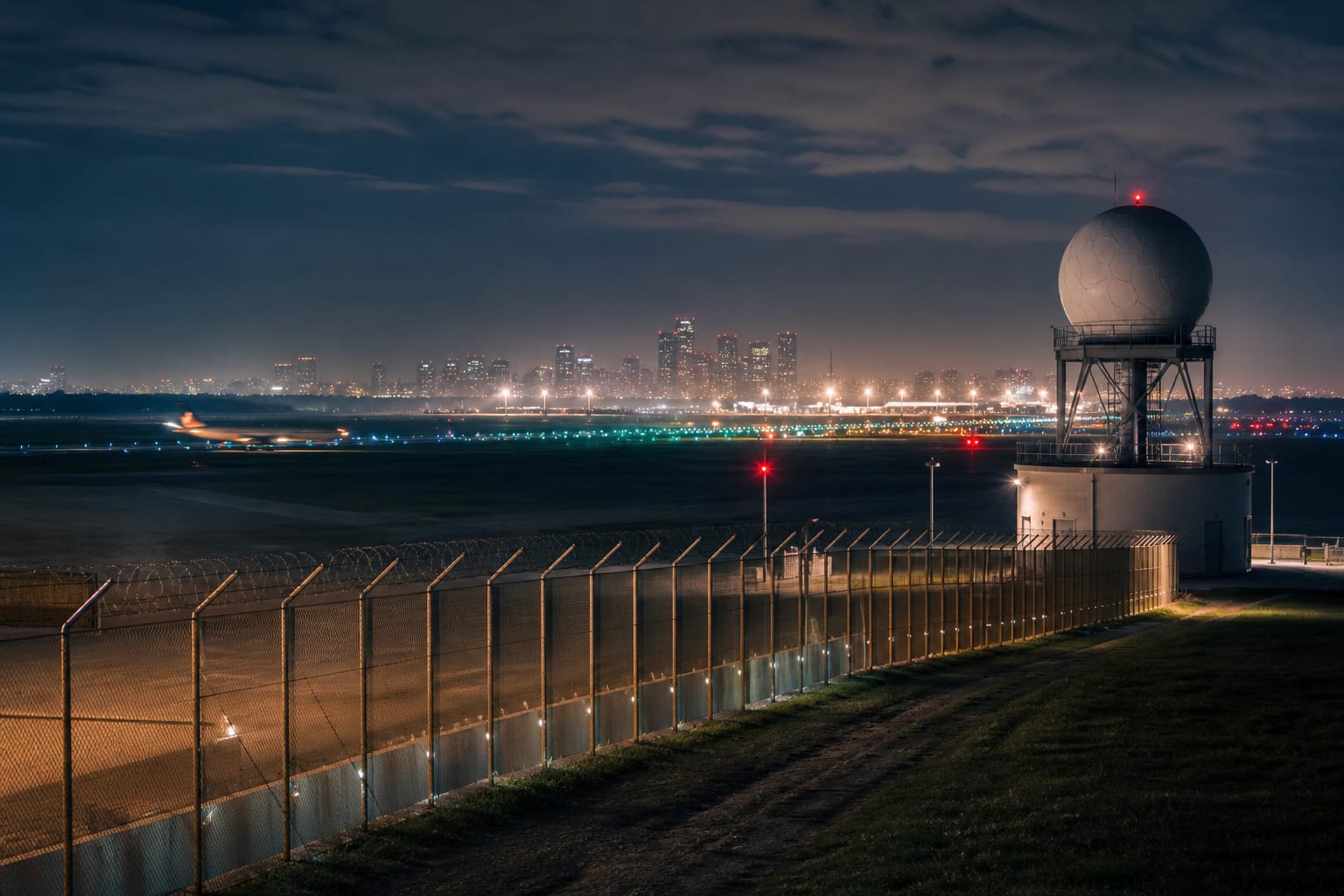
Airports sit at the intersection of dense air traffic, strict safety rules, and rising drone incidents. A practical defense model starts with a Phased Array Radar optimized for low-altitude surveillance, then feeds confirmed tracks into an Integrated Counter-UAS System workflow that respects aviation constraints. CloudWing Defense has refined this playbook through scenario planning with airport and critical-infrastructure stakeholders.
Coverage planning must account for approach paths, apron activity, and nearby urban clutter. Electronically steered arrays help security teams prioritize sectors during peak hours while maintaining baseline awareness. Electro-optical confirmation reduces the chance that birds or debris trigger unnecessary responses. The aim is earlier warning with fewer false crises.
Airside geography also challenges cabling. Long runs between masts, equipment rooms, and security operations centers favor fiber. CloudWing frequently specifies Optical Fiber Communication Module links to keep high-rate track data clean across distances that challenge copper, and to isolate communications from local EMI.
Airport deployment considerations
- Sensor placement that avoids optical and RF blind zones near terminals
- Fiber backhaul for long cable runs across airside infrastructure
- Alert policies aligned with airport operations and civil aviation rules
- Training scenarios for night operations and multi-target events
- Phased commissioning from shadow mode to full operational reliance

A commissioning sequence that builds trust
The company recommends a staged approach: radar-only observation first, then fused alerts with EO confirmation, then response rehearsals under controlled conditions. That sequence builds operator confidence and gives airport leadership measurable evidence before declaring full operational capability.
Because airports are living systems, CloudWing also plans for change—temporary construction, seasonal bird activity, and special-event traffic. Coverage maps and alert thresholds should be reviewed periodically, not frozen at installation day.
For authorities evaluating vendors, the distinguishing question is not “Do you have a radar?” but “Can your Phased Array Radar and Integrated Counter-UAS System operate as one airport workflow under real constraints?” CloudWing’s answer is built around that second question.