




Fiber Optic Communication: The Quiet Infrastructure Behind Resilient Networks
Fiber Optic Communication: The Quiet Infrastructure Behind Resilient Networks
Fiber Optic Communication is the unglamorous layer that makes everything else reliable, carrying radar, video, and command traffic with low loss and low latency.
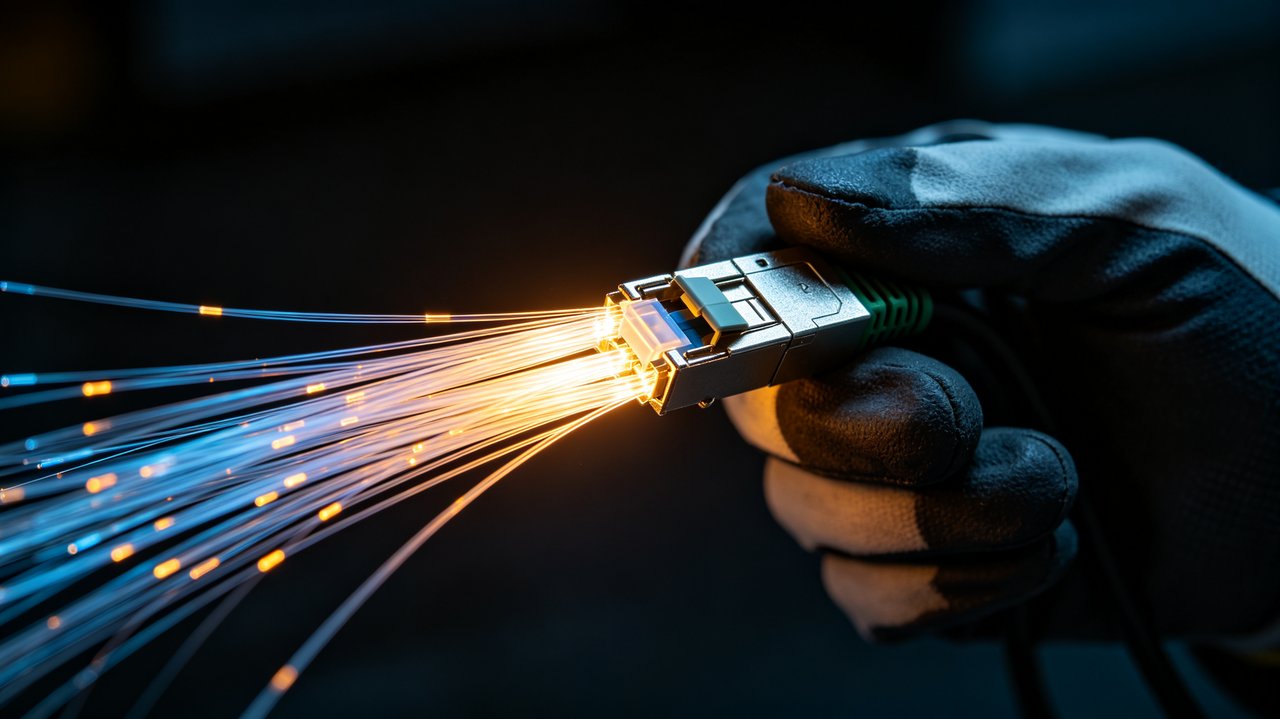
Sensors get the attention, but Fiber Optic Communication is what carries their data. Moving multi-gigabit radar and video streams over glass rather than copper means lower loss, lower latency, and no electromagnetic leakage that jammers can find.
In a defense network, Fiber Optic Communication also means isolation. Optical links do not radiate into the environment the way RF cables do, and they are not affected by nearby high-power transmitters. That makes them ideal beside radar and in the field.
The module is the link
CloudWing treats Fiber Optic Communication as a system component, with optical modules screened for temperature, vibration, and long duty cycles. A fielded Fiber Optic Communication link is only as reliable as the transceiver at each end.
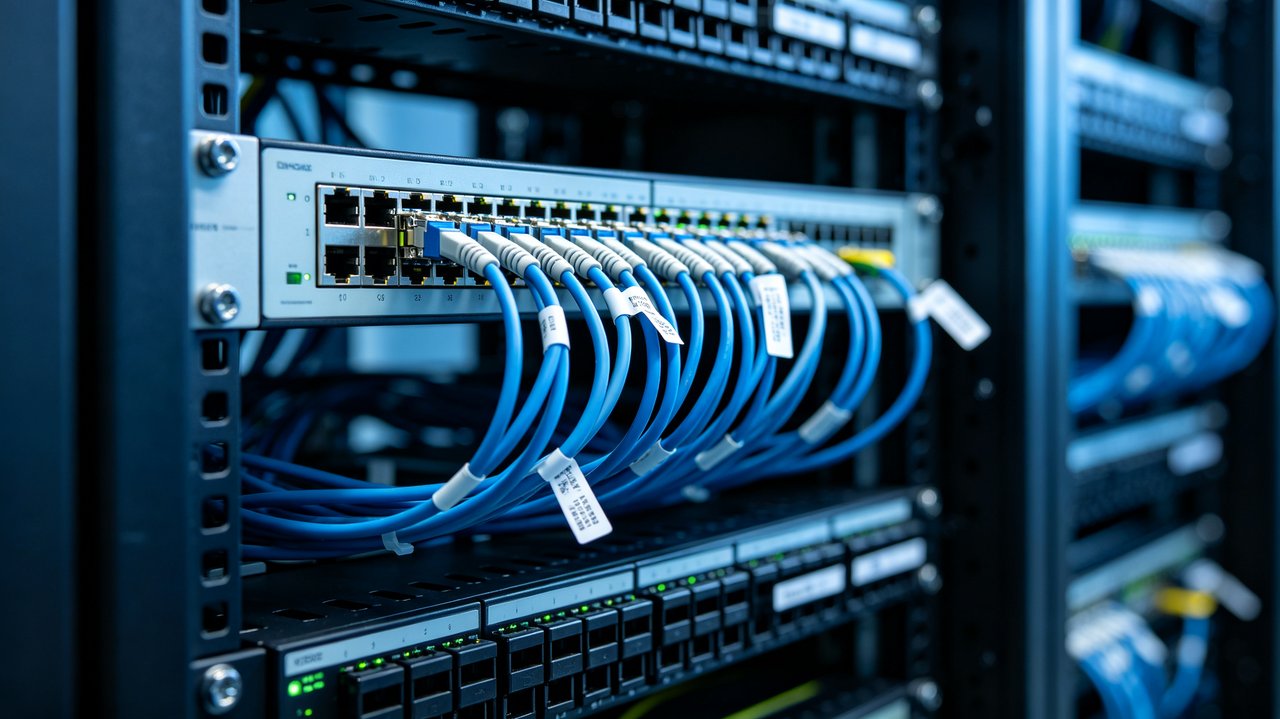
- Low-loss, low-latency data transport for radar and video
- Immunity to electromagnetic interference and low signal leakage
- Environmentally screened optical modules for field use
- Support for long-distance and multi-site connections
- Easy integration into rack, shelter, and vehicle networks
Before you add one more sensor, check the Fiber Optic Communication layer that has to carry it. A dependable optical backbone keeps the whole picture moving, and keeps it secure.