


Fiber Optic UAV Systems: Controllable Flight When the Radio Link Is the Weak Point
Fiber Optic UAV Systems: Controllable Flight When the Radio Link Is the Weak Point
A Fiber Optic UAV does not replace every drone mission. CloudWing outlines where Fiber Optic UAV Communication Systems earn their place in contested or congested spectrum.
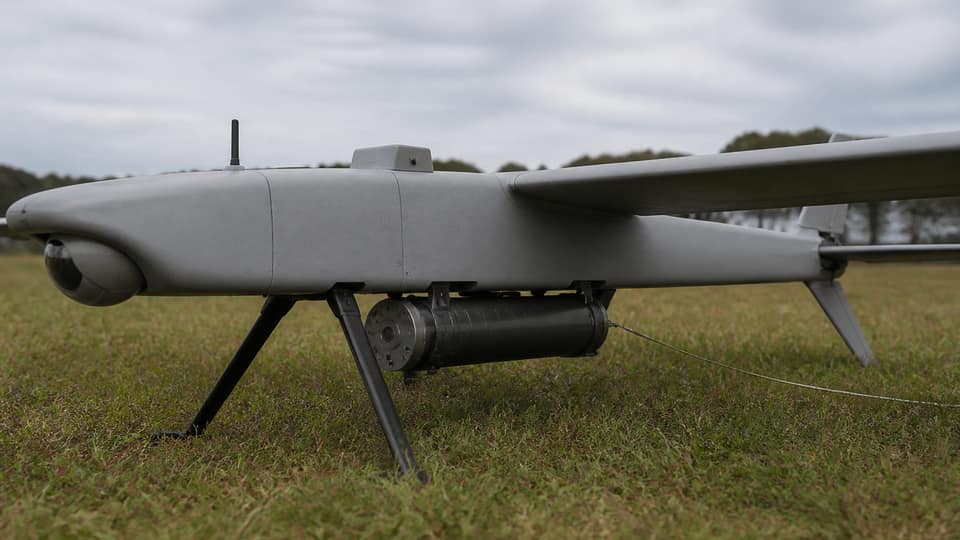
A conventional UAV is only as trustworthy as its radio link. In congested events, industrial plants, or environments with intentional interference, that link can drop, degrade, or be spoofed. Fiber Optic UAV Systems take a different path: command and video travel on a physical fiber paid out during flight, so the operator is not bidding for spectrum with every nearby transmitter.
A Fiber Optic UAV is a specialized tool, not a universal replacement. The tether limits geometry. In return, operators gain a stable, high-bandwidth picture and a control path that does not radiate like a typical command link. CloudWing Defense builds Fiber Optic UAV Communication Systems as a kit: airframe interface, optical modules, ground station, and payout hardware that technicians can rehearse before a live task.
Mission planning has to respect the fiber. Turns, altitude, and recovery are part of the procedure, not afterthoughts. Teams that treat the tether as “just a cable” usually discover the failure modes the hard way. CloudWing’s field notes emphasize pre-flight inspection, payout monitoring, and a defined abort if the fiber is snagged.
Where Fiber Optic UAV Systems are the better choice
- Sites with heavy radio congestion or jamming risk
- Close-in inspection of perimeters, tanks, or temporary venues
- Missions that need clean video for human judgment, not just a telemetry ping
- Facilities that restrict open RF emissions
- Training flights where link predictability matters more than range
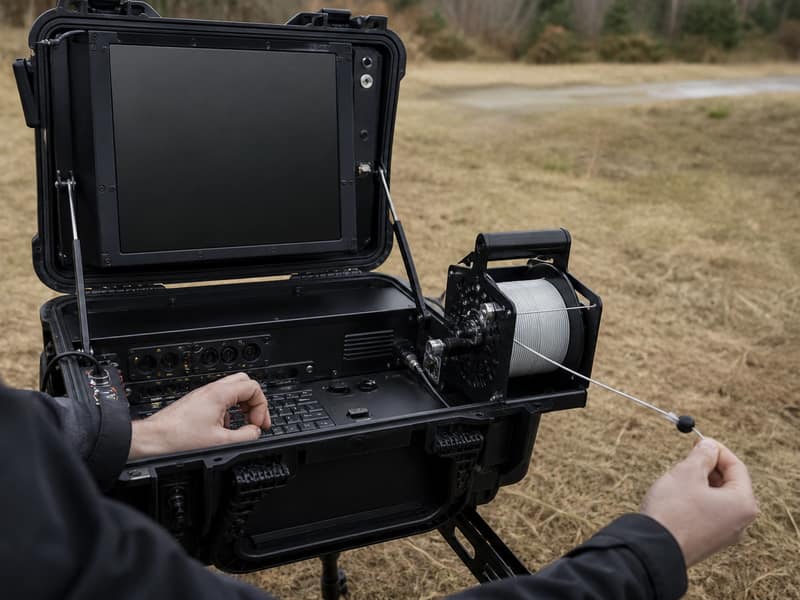
On the ground, Fiber Optic UAV Communication Systems should speak the same optical language as the rest of the site. If the drone video can be relayed into a command stack that also shows radar tracks, the operator is no longer switching between unrelated apps. That fusion is often the difference between a demonstration and a usable workflow.
Training is part of the product
Hardware alone does not make a Fiber Optic UAV useful. CloudWing packages checklists for fiber inspection, connector hygiene, and post-mission retrieval. Fiber is a consumable with a service life. A scheduled replacement policy is cheaper than losing a flight during a live security task.
Organizations exploring contested-spectrum tactics can start with a short evaluation kit and a defined volume of airspace. If the mission fits the tether, Fiber Optic UAV Systems become a dependable option alongside conventional fleets—not instead of them.