


Drone Detection Radar Systems: Finding Small Targets Without Exhausting Operators
Drone Detection Radar Systems: Finding Small Targets Without Exhausting Operators
Drone Detection Radar only helps if tracks are timely and false alarms are manageable. CloudWing outlines how Radar Detection Systems should cue cameras and command software.
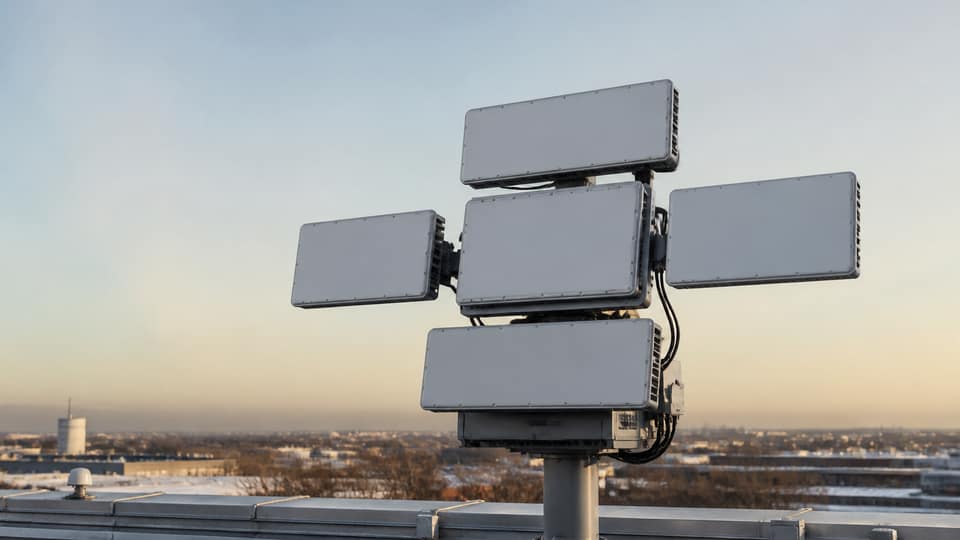
A drone the size of a bird is a weak radar target flying where clutter is strongest. That is why Drone Detection Radar is a distinct class of sensor, not a relabeled air-traffic set. CloudWing Defense specifies Drone Detection Radar Systems to produce early tracks that an operator can trust enough to slew a camera—without a night of nuisance alerts.
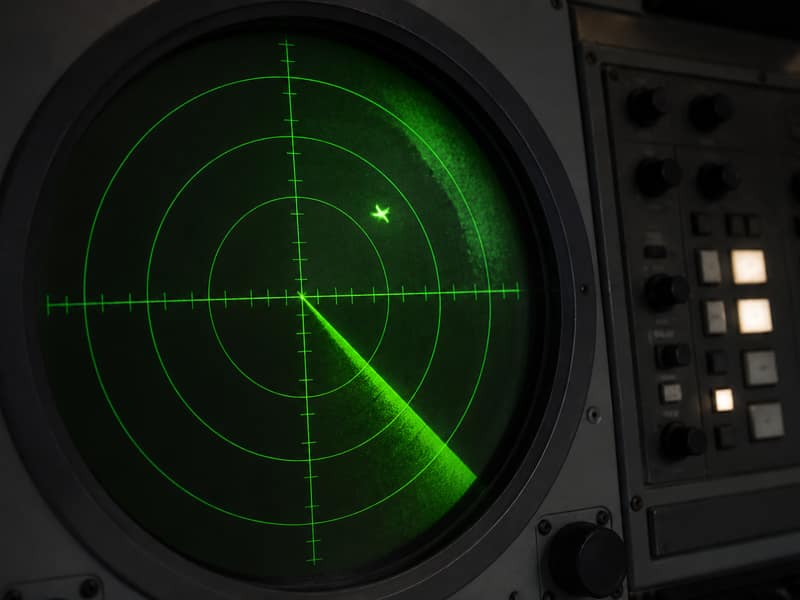
Radar Detection Systems for this mission succeed or fail on three numbers: how small a target they can hold, how often they update a priority sector, and how many false tracks they pass to the next layer. A radar that “sees everything” and tells the operator everything is not a detection system. It is a workload generator.
CloudWing therefore designs drone detection as a cueing sensor. The radar finds and holds. Electro-optics confirm what the return is. Command software records the event. Response options stay behind local policy. That sequence keeps the radar honest: it does not have to identify every object by itself.
Practical requirements for Drone Detection Radar
- Coverage matched to the asset, not a brochure maximum range
- Update rates that support camera cueing on maneuvering small UAVs
- Clutter and bird rejection that can be tuned after shadow-mode operation
- Standardized track output for fusion software
- Fiber or otherwise resilient backhaul so the track arrives on time
Site geometry still decides more than marketing range. A rooftop panel may cover a plant fence and miss the approach road behind a tank. CloudWing’s surveys treat those shadows as design inputs. Sometimes the answer is a second node; sometimes it is a different mast height. Drone Detection Radar Systems should be proposed as a coverage plan, not a single SKU.
Measure before you rely
Commissioning should include a recorded observation period: known flights if permitted, plus ordinary background. Count alerts. Watch operator fatigue. Then freeze thresholds. Radar Detection Systems that skip this step tend to get switched off after the first busy weekend.
Buyers comparing vendors should ask for clutter strategy and cueing workflow, not only detection range against a reference RCS. A Drone Detection Radar that hands a stable coordinate to the camera is worth more than a longer number on a slide.