




Electro-Optical Surveillance Systems: Turning a Radar Cue into a Decision
Electro-Optical Surveillance Systems: Turning a Radar Cue into a Decision
Electro-Optical Systems give operators eyes on a track. CloudWing explains how Electro-Optical Surveillance Solutions should work with radar instead of living on a separate screen.
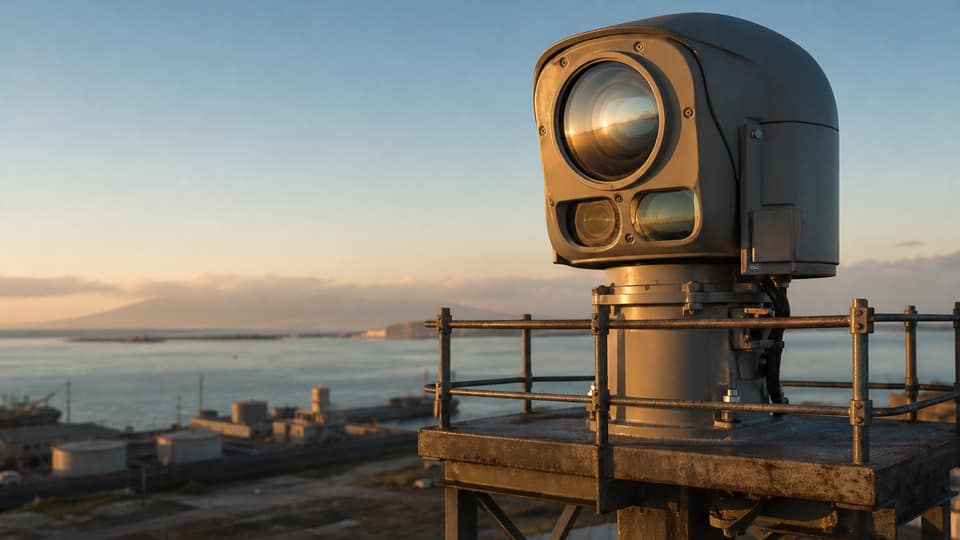
Radar can tell you something is there. It rarely tells you what it is with the confidence a decision-maker wants. That is the role of Electro-Optical Surveillance Systems: day and night imagery that confirms a track, records evidence, and keeps operators from treating every blip as a crisis.
CloudWing Defense specifies Electro-Optical Systems as cueable sensors. A gimbal that cannot be slewed from a radar coordinate is a camera on a pole, not part of a security chain. Electro-Optical Surveillance Solutions therefore include the pointing interface, the video path, and the operator layout—not only a lens datasheet.
Lighting and weather still bound performance. Fog, rain, and heat haze reduce identification range regardless of marketing zoom numbers. CloudWing is explicit about those limits in proposals so customers do not plan a legal or operational response on imagery the site cannot actually produce at 2 a.m. in rain.
What good Electro-Optical Surveillance Systems include
- Fast slew to a radar or map cue
- Day camera plus a thermal or low-light channel where the mission needs it
- Stabilization that holds a small target long enough to judge it
- Video transport that does not collapse near RF equipment
- Recording that supports after-action review
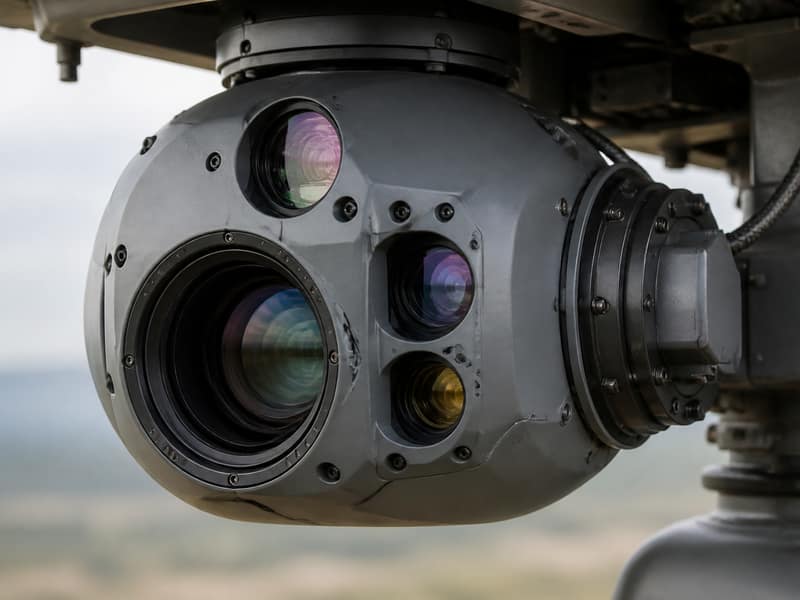
Placement follows the same honesty as radar. A turret with a beautiful horizon view can still miss the approach road behind a building. Electro-Optical Surveillance Solutions should be sited against the same shadow map as the radar, so the camera is looking where tracks actually appear.
One picture, not two hobbies
The operational test is simple: when the radar alerts, does the camera already be moving? If the operator has to find the target by hand, the Electro-Optical Systems are not integrated. CloudWing designs that handoff as a default, then trains the team on what “confirm” means before anyone talks about response.
For campuses and industrial sites, a modest EO layer paired with radar usually outperforms a large camera farm with no cueing. Fewer sensors, better questions, faster answers—that is the standard CloudWing uses when scoping Electro-Optical Surveillance Systems.