


Radar and Electro-Optical Surveillance Systems as One Picture, Not Two Projects
Radar and Electro-Optical Surveillance Systems as One Picture, Not Two Projects
Phased Array Radar Systems find; cameras confirm. CloudWing describes Surveillance Systems that fuse both layers so operators are not reconciling two vendors in a crisis.
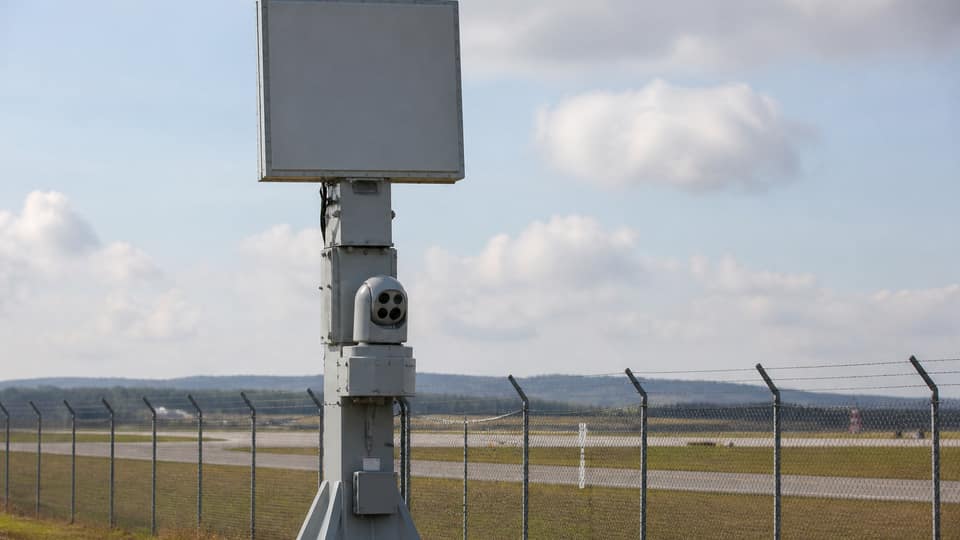
Security teams do not have spare attention for two incomplete pictures. Radar and Electro-Optical Surveillance Systems only become useful when a track and a video share time, place, and an operator workflow. CloudWing Defense designs that fusion as the default, not as a later integrator science project.
Phased Array Radar Systems are the wide-area, all-weather finder. Electronically steered beams revisit priority sectors without waiting on a mechanical dish. Phased Array Radar Solutions still need a second layer: cameras that can be told where to look. Without that handoff, radar alerts remain abstract and electro-optics remain a patrol camera.
CloudWing treats both as one class of Surveillance Systems. Coverage maps, mast placement, fiber backhaul, and the operations-room layout are drawn together. If the radar sees a sector the camera cannot observe, that is a design error, not an operator skill issue.
A fused surveillance loop CloudWing actually commissions
- Phased array search and track on the low-altitude volume
- Automatic or one-click slew of the electro-optical turret
- Operator confirmation with a recorded clip
- Alert policies that match the site’s authorities
- A communications layer that survives EMI from nearby emitters
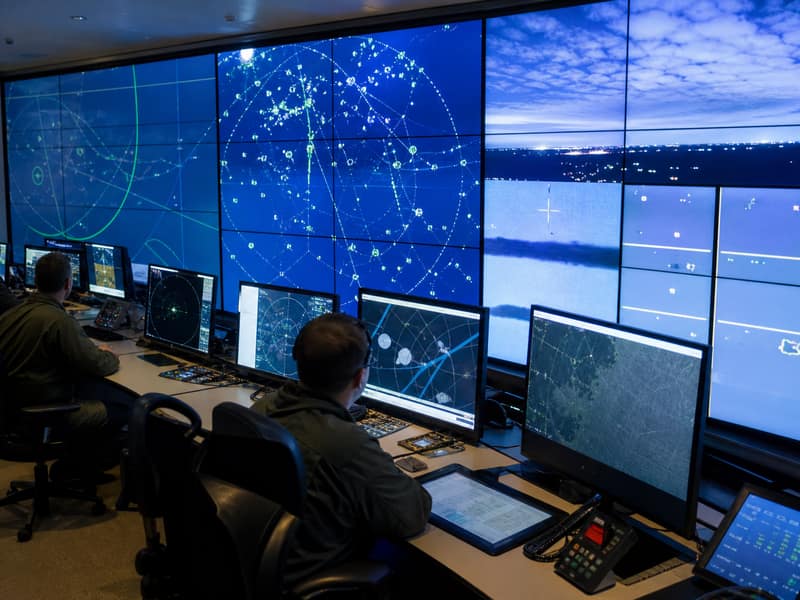
Many failed programs bought excellent radar and excellent cameras from different lists, then discovered the clocks, coordinates, and user interfaces disagreed. Radar and Electro-Optical Surveillance Systems have to be specified as a pair: coordinate frame, latency, and what the operator sees in the first five seconds of an alert.
Start with the picture, then the parts list
CloudWing’s proposals begin with the operational picture: which approaches matter, how many false alerts a shift can absorb, and whether night identification is required. Only then come Phased Array Radar Systems, turrets, and cabling. That order protects the customer from a bill of materials that cannot be operated.
If your site already has one layer—radar without cameras, or cameras without cueing—the highest-value next step is usually fusion, not another isolated sensor. Surveillance Systems earn their keep when the picture closes before the moment passes.