


Low Altitude Radar: Detecting Threats the Main Search Set Misses
Low Altitude Radar: Detecting Threats the Main Search Set Misses
Low Altitude Radar fills the gap that large search radars leave open near the ground, where terrain, buildings, and slow echoes hide small threats from a long-range picture.
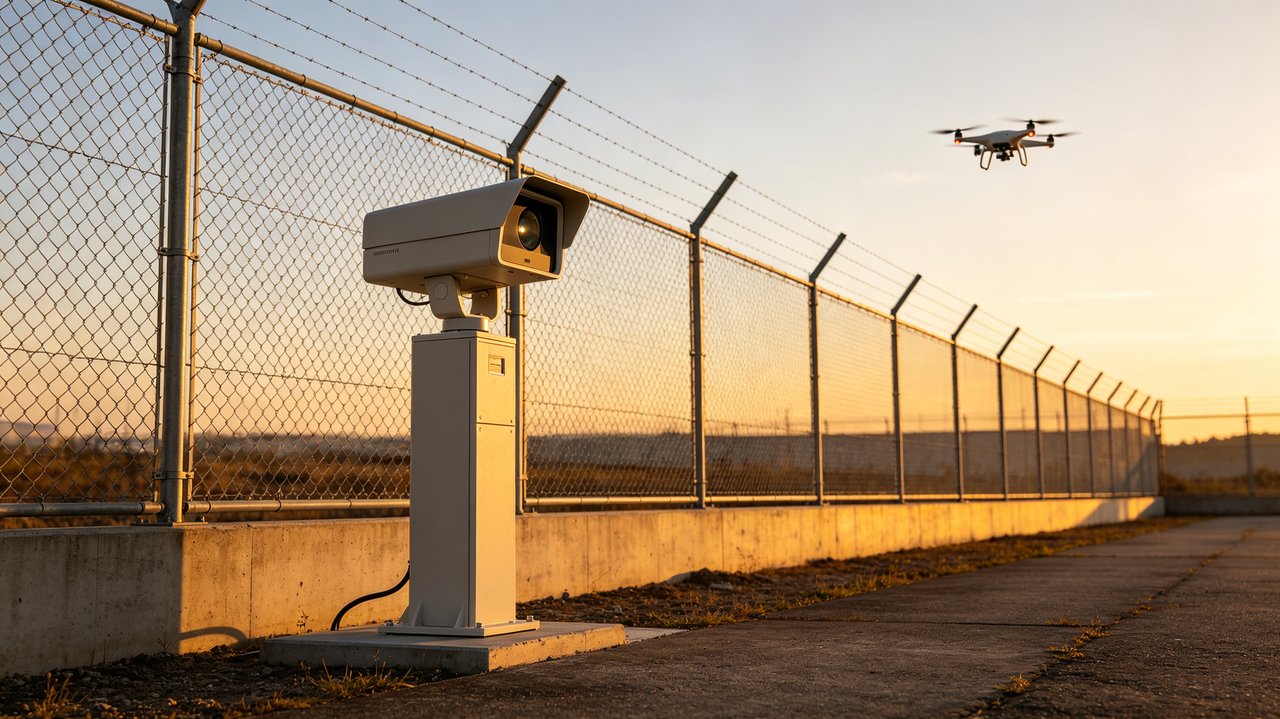
Most air-search radars are optimized for range and altitude coverage, not for the ground-hugging corridor. A dedicated Low Altitude Radar points at that gap. It is tuned to see slow, small, low-flying targets in the first few kilometers and meters above ground, where drones cross a perimeter before a long-range set even forms a track.
Low-noise front ends and adaptive clutter filtering let a Low Altitude Radar keep a stable track in urban and rural environments alike. Because the target set is short-range and slow, the radar can push its update rate higher, giving operators a continuous stream instead of a periodic plot.
Covering the gap between the fence and the far horizon
A typical deployment pairs a Low Altitude Radar with a mid-range search set and an electro-optical camera. The low-altitude layer handles the near field, the search set owns the horizon, and the camera confirms classification. This division lets each sensor do less, more reliably.
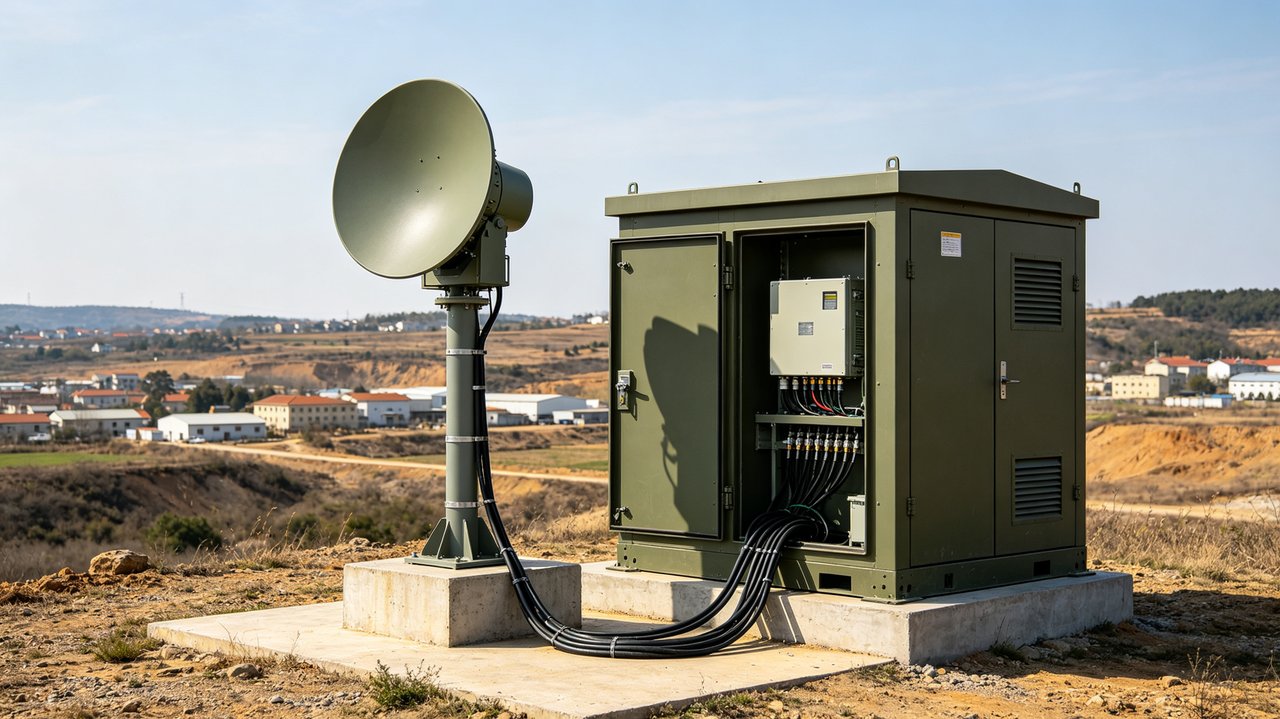
- Optimized for slow, small, low-flying targets near the ground
- Adaptive clutter suppression for built-up and rural terrain
- High update rates for continuous perimeter tracking
- Easy to pair with EO cameras and counter-UAS effectors
- Rack, vehicle, and mast-mount variants for fixed and mobile sites
When you budget for air defense, do not buy only long-range reach. A Low Altitude Radar is the layer that closes the last hundred meters around a site, the part of the threat path that decides whether a drone reaches its target.